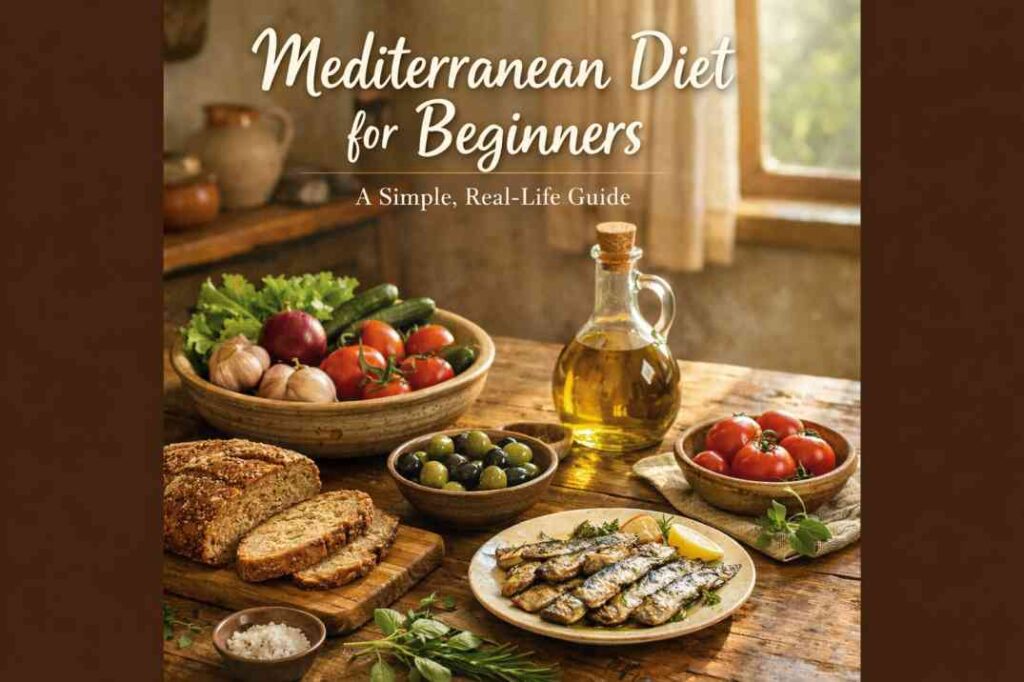
I didn’t start looking into the Mediterranean diet because I wanted another set of rules. Honestly, I was tired of rules. I’d tried enough “plans” that promised quick results and left me feeling confused, guilty, or like I’d already failed by week two.
Most diets made me feel like I was either doing everything right or everything wrong. There was no middle ground. And real life doesn’t work like that. Some days I cook. Some days I’m tired. Some days I just want bread without overthinking it.
What pulled me toward the Mediterranean diet was how… normal it sounded. No detoxes. No cutting out entire food groups. No complicated tracking. Just food that people have been eating for a long time, in a way that felt livable.
Still, when I first started reading about it, I felt overwhelmed. One list said cheese was fine. Another said limit it. Some said pasta was okay. Others made it sound like a mistake. I remember thinking, “Am I already doing this wrong?”
So I slowed down. I stopped trying to “do it perfectly” and focused on understanding the basics in a way that fit my life. That’s what I’m sharing here — what helped me actually start without feeling stressed.
If you’re curious about the mediterranean diet for beginners but don’t want another rigid plan, this is for you.
What the Mediterranean Diet Really Is (From My Point of View)
What surprised me most is that the Mediterranean diet isn’t really a diet at all. At least, not the way most of us think of diets. There’s no start date, no finish line, and no rule that says you failed if you eat a cookie.
I used to think it meant eating fancy fish dinners every night or cooking complicated meals with ingredients I’d never heard of. It really doesn’t. At its core, it’s more about habits than rules. How you build meals. How often you eat certain foods. How relaxed you are around food.
For me, the Mediterranean diet basics came down to a few simple ideas: eat more whole foods, use good fats like olive oil, enjoy vegetables without forcing them, and stop treating food like a math problem.
It focuses more on food quality than restriction. Nothing is labeled “bad.” Some things just show up less often, and others show up more. That mindset alone made it feel different from everything else I’d tried.
Once I stopped expecting perfection, it started to make sense.
Why Beginners Struggle With the Mediterranean Diet
I think beginners struggle because the Mediterranean diet sounds simple, but the internet makes it complicated. One article says one thing, another says something else, and suddenly you’re stuck wondering if you’re allowed to eat potatoes or not.
I remember staring at food lists and thinking, “Okay, but how does this actually look on a plate?” There’s also this quiet fear of doing it wrong. Like if you don’t eat exactly the right ratio of foods, it doesn’t count.
Another issue is trying to change everything at once. New pantry. New recipes. New routines. That’s a lot. No wonder people give up.
I definitely overthought it at the beginning. Once I stopped trying to be perfect and focused on small shifts, it became much easier to stick with.
Step-by-Step: How I’d Start the Mediterranean Diet as a Beginner Today
Step 1: Stop Thinking of It as a Diet
The biggest shift for me was mental. I stopped calling it a diet and started seeing it as a way of eating I could grow into. There was no “on” or “off.” Just choices.
When I thought of it as a diet, I felt pressure. When I thought of it as a lifestyle, I felt calmer. That change alone made everything feel more doable.
Step 2: Focus on a Few Key Foods First
I didn’t overhaul my kitchen. I picked a few things to add before removing anything.
I started using olive oil instead of whatever oil I had.
I added more vegetables to meals I already liked.
I kept fruit around for snacks instead of forcing myself to quit snacking altogether.
That was it. No massive grocery haul. No expensive ingredients. Just small swaps that didn’t feel dramatic.
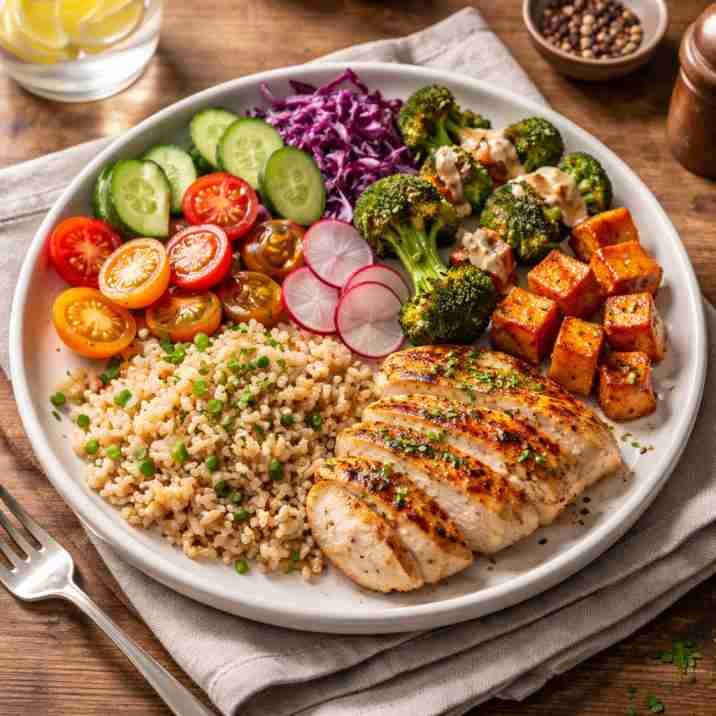
Step 3: Build Simple Plates
I stopped worrying about numbers, portions, or tracking. Instead, I asked myself a few easy questions:
Does this meal have some vegetables?
Is there a protein I enjoy?
Did I use a fat that actually tastes good?
That was enough. Some plates were more balanced than others. That’s real life. The goal wasn’t perfection — it was consistency over time.
Mediterranean Diet Foods for Beginners (Simple List)
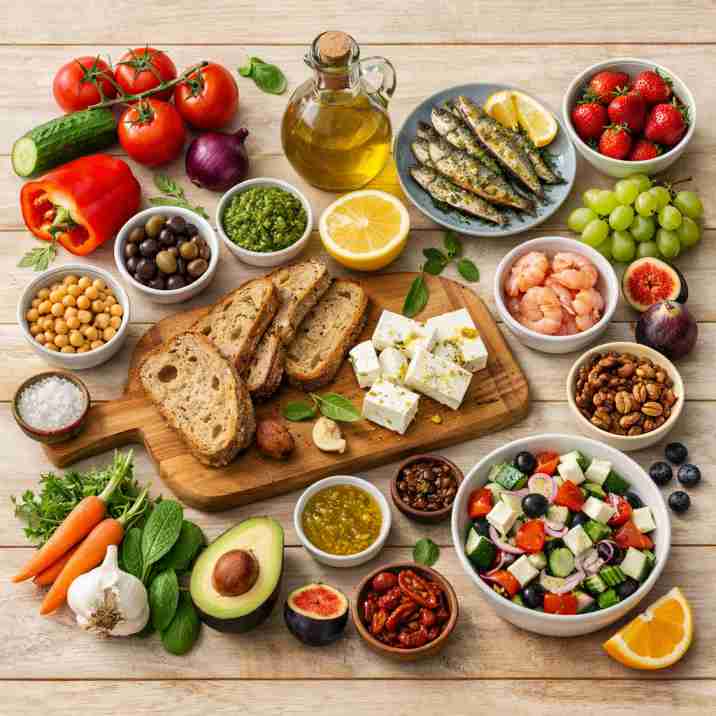
This isn’t a strict list. It’s just how I think about food now.
Foods I Eat More Of
- Vegetables (fresh, frozen, whatever’s easy)
- Fruits
- Whole grains like rice, oats, and bread
- Beans and lentils
- Olive oil
- Fish when I feel like it
If I’m honest, this part was easier than I expected.
Foods I Don’t Stress About
- Cheese
- Yogurt
- Pasta
- Bread
I still eat these. I just don’t build every meal around them anymore, and that feels balanced.
Foods I Slowly Reduced
- Highly processed snacks
- Sugary drinks
- Takeout that leaves me feeling heavy
Nothing was banned. I just noticed how I felt afterward and adjusted naturally.
If you’re looking for a mediterranean diet food list, this mindset matters more than memorizing rules.
What I Eat in a Typical Mediterranean-Style Day

Some days look like this. Other days don’t. And that’s okay.
Breakfast:
Greek yogurt with fruit and a drizzle of honey, or toast with olive oil and eggs. Sometimes just coffee and fruit if I’m not hungry.
Lunch:
Leftovers, honestly. Maybe a grain bowl with veggies and beans. Sometimes a sandwich with lots of vegetables and good bread.
Dinner:
Something simple like roasted vegetables, fish or chicken, and rice or potatoes. Nothing fancy. Just real food.
Snacks:
Fruit, nuts, yogurt, or whatever’s around.
I don’t force meals to look a certain way. I just aim for balance most of the time.
A Resource I Found Helpful When I Wanted a Bit More Guidance (Without Feeling Boxed In)
After I’d been eating this way for a while, I hit a phase where I felt comfortable… but also a little bored. Not in a bad way — more like my brain didn’t want to think about meals every single day. I wanted ideas ready to go, without turning this into another strict plan.
That’s when I came across The Mediterranean Diet Program.
What stood out to me was how calm it felt. No extreme rules. No pressure to “reset” or overhaul everything overnight. It was more like having a guide sitting next to you saying, “Here are some ideas — use what works, skip what doesn’t.”
I liked that it focused on everyday Mediterranean-style meals and habits instead of perfection. I didn’t suddenly follow it word for word. I pulled ideas when I needed inspiration, especially on busy weeks or when my motivation dipped a bit.
That’s really how I see tools like this — not as something you have to follow, but something that can make things easier when decision fatigue kicks in. You can absolutely eat Mediterranean-style using free recipes and intuition alone. I did that too. This just gave me a little structure without making food feel stressful again.
If you’re the kind of person who likes having a reference to fall back on — especially when starting out — this might be worth checking out.
👉 If you’re curious, you can take a look here and decide for yourself. No pressure at all.
Quick note: This is simply a personal resource recommendation based on my own experience. It’s not medical advice, and it’s definitely not required to follow the Mediterranean way of eating. Always choose what feels right for you and your lifestyle.
Common Beginner Mistakes
I tried to be perfect. That didn’t last.
I cut foods too fast and missed them.
I overthought olive oil way more than necessary.
I compared my meals to other people’s plates online.
None of that helped. What helped was relaxing and letting habits form slowly. Once I stopped chasing an ideal version of the beginner mediterranean diet, it actually stuck.
How Long It Took Me to Feel a Difference
This wasn’t an overnight thing. I didn’t wake up feeling brand new after a week. But after a few weeks, I noticed small shifts.
My energy felt steadier.
My digestion felt calmer.
I stopped thinking about food all day.
The biggest change was my relationship with eating. I felt less guilty and more in tune with what I actually wanted. That alone made it worth it.
Is the Mediterranean Diet Sustainable Long-Term? (My Honest Take)
For me, yes. And that surprised me.
It works with social meals. I can travel and still eat this way. Busy days don’t derail everything. There’s no pressure to be perfect, which makes it realistic.
I don’t feel like I’m “on” something. I just eat. Some weeks are better than others. That’s normal.
That flexibility is why I think learning how to start mediterranean diet gently matters more than following rules strictly.
Gentle, Encouraging Conclusion
If you’re just starting, I wouldn’t worry about doing everything right. I’d focus on one small change this week. Maybe it’s cooking with olive oil. Maybe it’s adding vegetables to one meal a day.
That’s enough.
The Mediterranean diet for beginners doesn’t have to feel overwhelming or strict. It can be slow. It can be imperfect. It can fit your life exactly as it is right now.
Start where you are. That’s how this actually works.