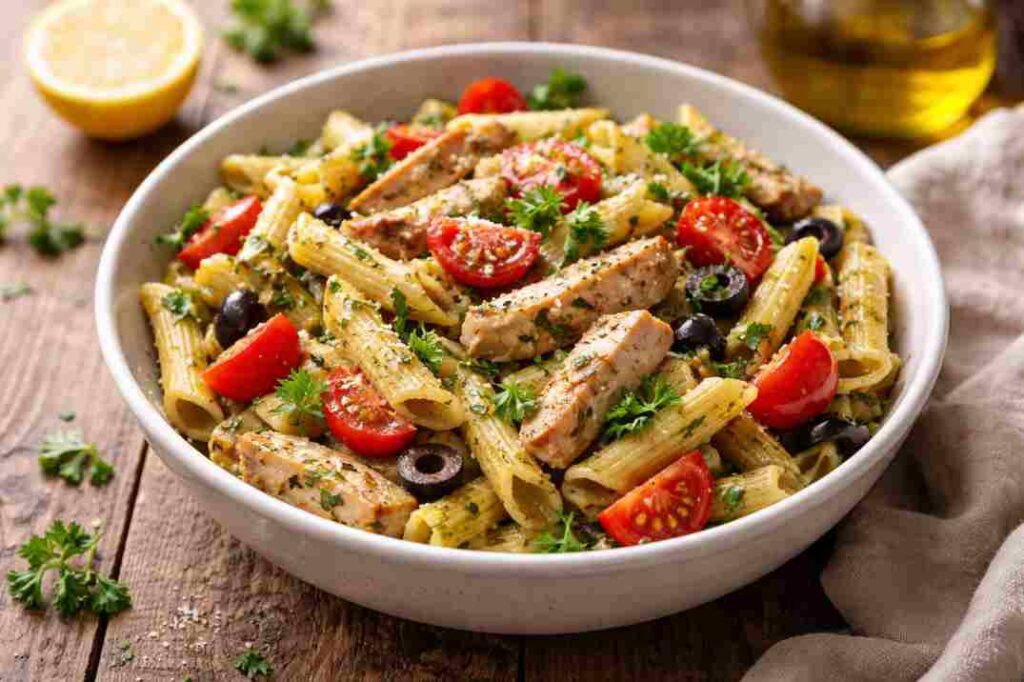
Pasta used to feel like an “either/or” food for me. Either it was comforting and heavy, or it was light and… honestly kind of boring. Somewhere along the way, Mediterranean-style cooking changed that for me.
I realized pasta doesn’t have to be drowned in sauce to taste good. Olive oil, garlic, herbs, lemon — those flavors do a lot more work than people give them credit for. And when you add chicken into the mix, it turns into a real, satisfying meal without feeling like you need a nap afterward.
This is the pasta dish I make when I want something comforting but still fresh. It’s the one I go back to on busy weeknights, when I don’t feel like experimenting or thinking too hard. I’ve tested a lot of pasta recipes over the years, and this one always works. It’s forgiving, flexible, and honestly hard to mess up once you get the hang of it.
If you’re looking for a mediterranean chicken pasta that feels doable for real life, this is it.
Why Mediterranean Flavors Work So Well with Pasta & Chicken
What I love most about Mediterranean-style pasta is how simple it is. There’s no complicated sauce situation or long ingredient list. Most of the flavor comes from things you probably already have in your kitchen.
Instead of heavy cream or butter, olive oil does most of the work. It coats the pasta just enough without making it greasy. Garlic adds warmth. Lemon brightens everything up. Fresh herbs make it taste like you actually put in effort, even when you didn’t.
Chicken fits into this style really naturally. It’s mild, it soaks up flavor well, and it doesn’t overpower the rest of the dish. I’ve used grilled chicken, pan-seared chicken, even leftover rotisserie chicken, and it all works. That’s one of the reasons this recipe stays on repeat for me — I don’t have to start from scratch every time.
Mediterranean chicken pasta also feels lighter because the flavors are balanced. There’s fat from olive oil, acid from lemon or tomatoes, salt from olives or feta if you use them, and freshness from herbs or vegetables. Nothing is trying to steal the spotlight.
It doesn’t feel restrictive, but it also doesn’t feel overdone. I can eat a bowl of this and feel satisfied without that heavy, weighed-down feeling some pasta dishes leave behind. For me, that’s the sweet spot.
Simple Ingredients I Use (And Why I Don’t Overcomplicate It)
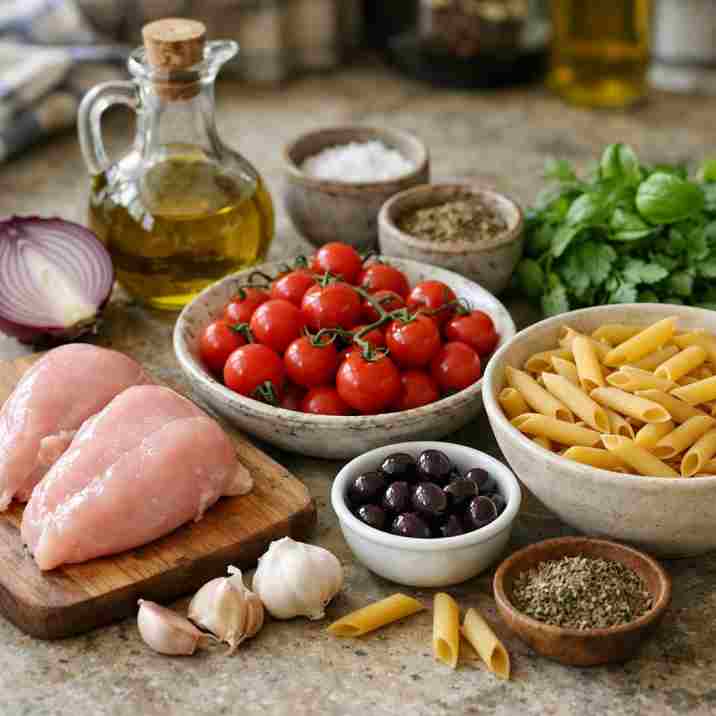
I’m not someone who enjoys hunting down specialty ingredients for a weeknight dinner. If I can’t find it at a regular grocery store, I usually skip it. This mediterranean chicken pasta recipe works because the ingredients are simple and flexible.
Chicken:
I usually go with boneless, skinless chicken breasts or thighs. Breasts are leaner and cook quickly. Thighs have more flavor and stay juicy even if you slightly overcook them. I use whatever I have. No rules here.
Pasta:
Short pasta shapes are my go-to — penne, rotini, or fusilli. They hold onto the olive oil and seasonings better. Long pasta like spaghetti works too, but I find short pasta easier for tossing everything together evenly.
Vegetables:
This is where I use what’s in my fridge. Cherry tomatoes, spinach, zucchini, red onion, roasted red peppers — all of them work. I don’t stress about being “authentic.” If it tastes good, it goes in.
Herbs & Olive Oil:
Good olive oil matters here, but it doesn’t need to be fancy. Just something you like the taste of. Fresh herbs are great if you have them — parsley, basil, or oregano. If not, dried herbs still do the job.
These ingredients are easy to find, easy to swap, and easy to adjust. That’s why I keep coming back to this recipe. It fits real cooking, not just perfect recipe photos.
The Recipe: Mediterranean Chicken Pasta
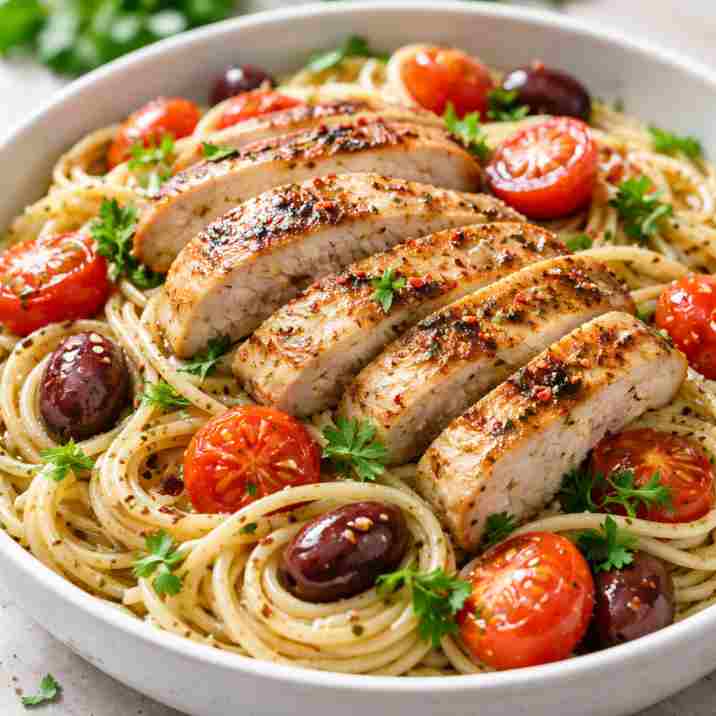
Recipe Overview
This mediterranean chicken pasta is fresh, savory, and lightly garlicky with a hint of brightness from lemon and herbs. It’s not saucy in a traditional way — the olive oil, pasta water, and seasonings create a light coating that brings everything together.
I usually make this on busy weeknights when I want dinner done in under 40 minutes. It’s also one of my favorite “clean out the fridge” meals. If you’ve got cooked chicken already, it comes together even faster.
It works because it doesn’t rely on perfection. Each step builds flavor, but nothing is fussy. You can taste as you go and adjust it to what you like.
Ingredients List
For the Chicken:
- 1 to 1½ pounds boneless, skinless chicken breasts or thighs
- Olive oil
- Salt and black pepper
- Dried oregano or Italian seasoning
For the Pasta:
- 12 ounces short pasta (penne, rotini, or fusilli)
- Salted water (more salt than you think)
Vegetables:
- 1½ cups cherry tomatoes, halved
- 2 cloves garlic, minced
- 1 small red onion, thinly sliced
- 1 to 2 cups spinach or zucchini (optional but recommended)
Sauce / Seasonings:
- ¼ cup olive oil (more as needed)
- Zest and juice of ½ to 1 lemon
- Red pepper flakes (optional)
- Fresh parsley or basil, chopped
- Feta cheese (optional, for finishing)
Step-by-Step Instructions
This recipe isn’t complicated, but the order you do things in really matters. I learned that the hard way after a few rushed dinners. Once I slowed down and paid attention to each step, the whole dish started tasting better — without adding extra work.
1. Season and cook the chicken first
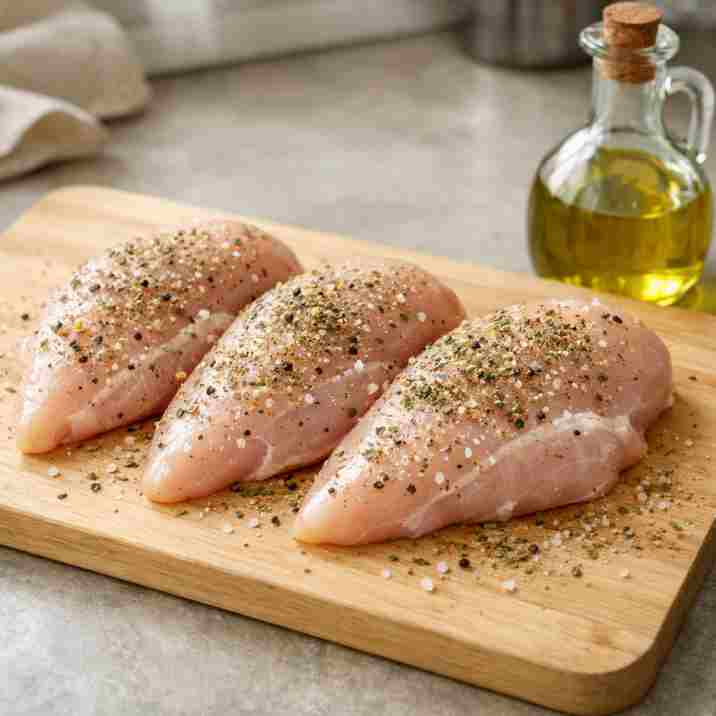
I always start with the chicken because it needs time to rest after cooking. While it rests, everything else comes together.
I pat the chicken dry with a paper towel first. This helps it brown instead of steaming. Then I season both sides generously with salt, black pepper, and dried oregano. I don’t measure — I just make sure every piece looks evenly coated.
I heat a large skillet over medium-high heat and add a good drizzle of olive oil. Once the oil looks slightly shimmery, the pan is ready. I add the chicken in a single layer and leave it alone for a few minutes. No poking. No flipping early. This is how you get that golden outside.
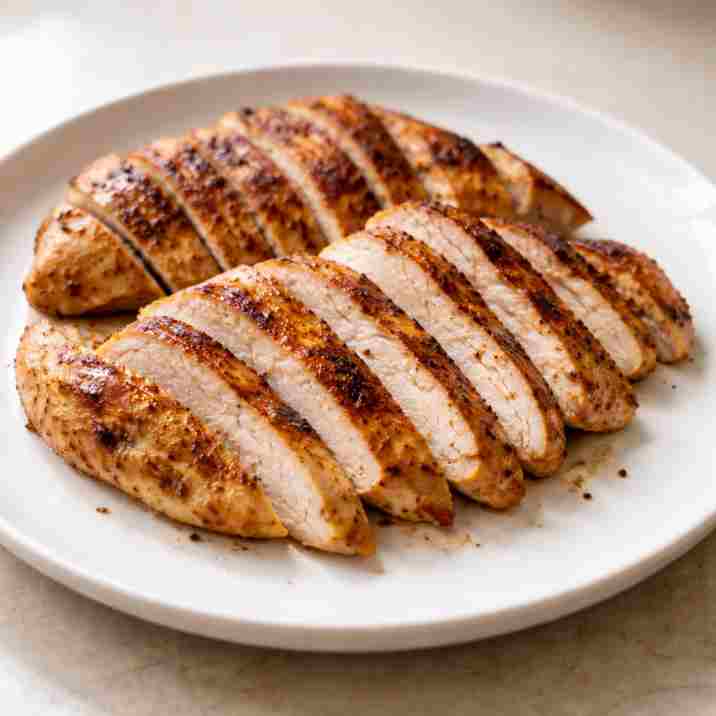
After flipping, I lower the heat slightly and let it finish cooking through. When it’s done, I transfer the chicken to a plate and let it rest for at least 5 minutes. This keeps it juicy. If I slice it too soon, all the juices run out — and I’ve learned that lesson enough times.
2. Get the pasta going (and salt the water well)
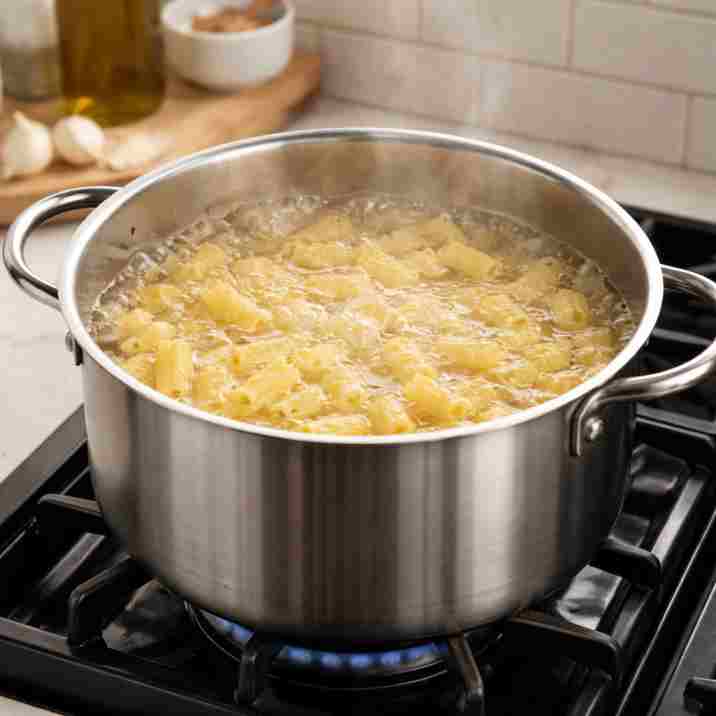
While the chicken rests, I bring a large pot of water to a rolling boil. I salt the water generously — it should taste like the sea. This is one of those small steps that makes a big difference, because pasta doesn’t get seasoned later.
I add the pasta and stir it well so nothing sticks. I cook it until just al dente. Not soft. Not mushy. Just tender with a little bite.
Before draining, I scoop out about a cup of pasta water and set it aside. I don’t always use all of it, but I never skip saving it. Pasta water is what turns olive oil and seasonings into a light, silky coating instead of a dry mess.
3. Build flavor in the same pan
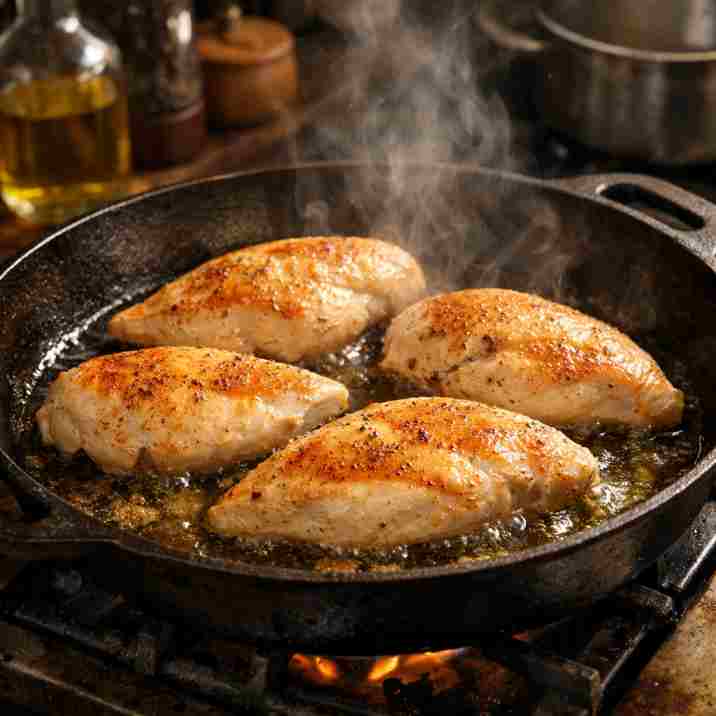
I go back to the same pan I cooked the chicken in. No washing it — those browned bits are flavor.
I lower the heat to medium and add a little more olive oil if the pan looks dry. Then I add the sliced red onion and let it cook slowly until soft and slightly sweet. I stir occasionally, scraping up any bits stuck to the pan.
Once the onion is soft, I add the garlic. I keep a close eye on it here. Garlic burns fast, and burnt garlic ruins everything. About 30 seconds is enough — just until it smells amazing.
Next go in the cherry tomatoes. I let them warm through and soften slightly, but I don’t cook them until they completely collapse. I like having some texture left.
If I’m adding spinach or zucchini, this is where it goes in. Spinach wilts fast. Zucchini needs a couple of minutes to soften but shouldn’t get mushy.
4. Bring everything together slowly
Now comes the part where it actually turns into pasta.
I add the drained pasta straight into the skillet with the vegetables. Then I pour in a splash of the reserved pasta water and start tossing everything together. I don’t dump it all in at once — I add a little, toss, and see how it looks.
I slice the rested chicken and add it back into the pan. Any juices on the plate go in too. That’s flavor.
At this point, I drizzle in more olive oil and add the lemon zest and juice. The lemon wakes everything up and keeps the dish from tasting flat.
I keep tossing gently until everything is coated and glossy. If it looks dry, I add a bit more pasta water. If it looks oily, I stop adding liquid. This part is about feel, not exact measurements.
5. Taste, adjust, and finish
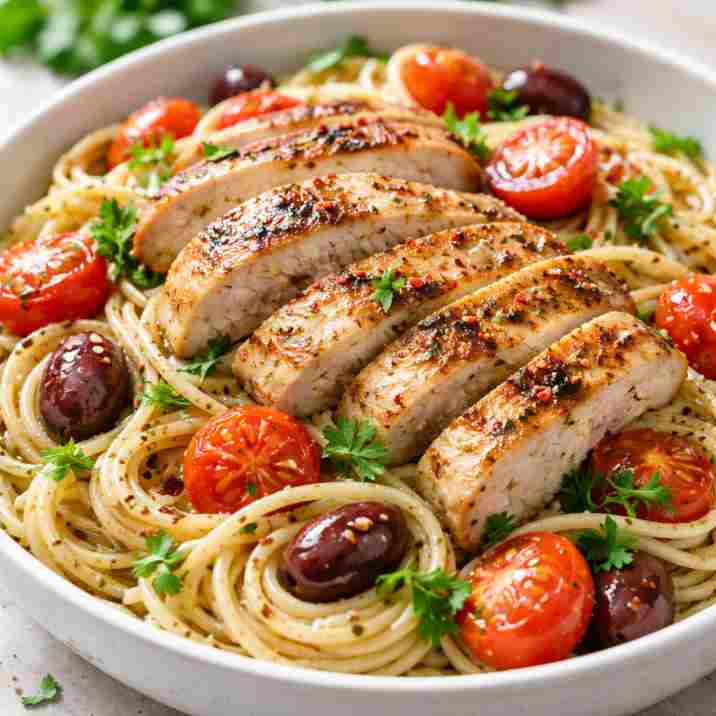
Before serving, I always taste the pasta. Almost always, it needs a little more salt. Sometimes it needs more lemon. Occasionally I add a pinch of red pepper flakes for heat.
Once the heat is off, I add fresh herbs and toss one last time. Fresh herbs lose their flavor if cooked too long, so I save them for the very end.
If I’m using feta, I sprinkle it on just before serving instead of stirring it in. That way it stays slightly creamy instead of disappearing.
At this point, it’s done. Nothing fancy. Just a bowl of pasta that tastes balanced, fresh, and actually satisfying.
Texture & Flavor Tips
- Let chicken rest before slicing so it stays juicy
- Don’t overcook pasta — it keeps cooking when tossed
- Add herbs at the end so they stay fresh
- Pasta water is your best friend here
Common Mistakes I Made (And Fixed)
I used to overcook the pasta. It turns mushy fast.
I added too much olive oil at once. Now I add it gradually.
I skipped seasoning early on. Big mistake. Salt matters.
Variations I Actually Use
Creamy version: Add a splash of cream or Greek-style yogurt at the end.
Dairy-free: Skip cheese and add more lemon and herbs.
Whole-grain or gluten-free: Both work fine — just watch cooking time.
Extra veggie: Roasted zucchini or bell peppers are great here.
Want a Mediterranean Diet Plan Made Just for You?
Recipes like this are a great starting point, and honestly, that’s how I began too — one meal at a time, saving recipes I liked and hoping things would eventually feel easier. Over time, though, I realized that having some structure can be really helpful, especially when life gets busy.
A custom Mediterranean diet plan can take a lot of the mental load out of daily decisions. Instead of constantly wondering what to cook next or how to balance meals, everything is mapped out for you based on a short quiz. Your preferences, schedule, and eating style are all taken into account, which makes it feel realistic instead of restrictive.
What I like about this approach is that it still leaves room for flexibility. You’re not locked into rigid rules or complicated recipes. It’s more like having a helpful guide — something to lean on when you don’t feel like planning from scratch.
If you enjoy Mediterranean-style meals like this pasta and want a little more consistency without overthinking every meal, having a personalized plan can make things feel much more manageable.
If you want a personalized Mediterranean diet plan created for you, you can take the quiz here.
How I Turn This into a Full Mediterranean-Style Meal
Sometimes I eat this pasta on its own and call it dinner. Other nights, I’ll add a simple side.
A quick cucumber and tomato salad with olive oil and salt works perfectly. If I have extra greens, I’ll throw together a basic salad with lemon dressing. Nothing fancy.
If I’m hosting or feeding more people, I’ll add some warm bread on the side. Not because it’s necessary, but because it makes the meal feel complete.
Leftovers are great the next day. I eat it cold sometimes, almost like a pasta salad, and it still tastes good.
Meals like this are what made Mediterranean-style eating feel doable for me. Still, when I first started, I remember wishing I had a clear plan instead of figuring things out one recipe at a time.
If you enjoy eating this way and want more structure, a custom Mediterranean diet plan can really help. You answer a short quiz, and the plan is built around your preferences, schedule, and goals — which takes a lot of the guesswork out of planning meals.
How I Meal Prep Mediterranean Chicken Pasta
I don’t fully cook this days in advance, but I do prep parts of it.
Sometimes I cook the chicken ahead of time and store it separately. Other times I chop the vegetables early so everything comes together faster.
When storing leftovers, I keep it in an airtight container in the fridge. It lasts about 3 days.
To reheat, I add a small splash of water or olive oil and warm it gently. High heat dries it out fast.
If I know I’ll eat it cold, I save some fresh herbs and lemon to add right before eating. It brings everything back to life.
Wrap up
This mediterranean chicken pasta is one of those meals I keep coming back to because it’s easy, comforting, and just works. It doesn’t try to be impressive. It just tastes good.
Pasta can absolutely fit into Mediterranean-style eating. You don’t need heavy sauces or complicated steps. A few good ingredients go a long way.
If you’re new to this way of cooking, start with one recipe. Make it a few times. Adjust it to your taste. That’s how it becomes part of your routine.
This one did for me.