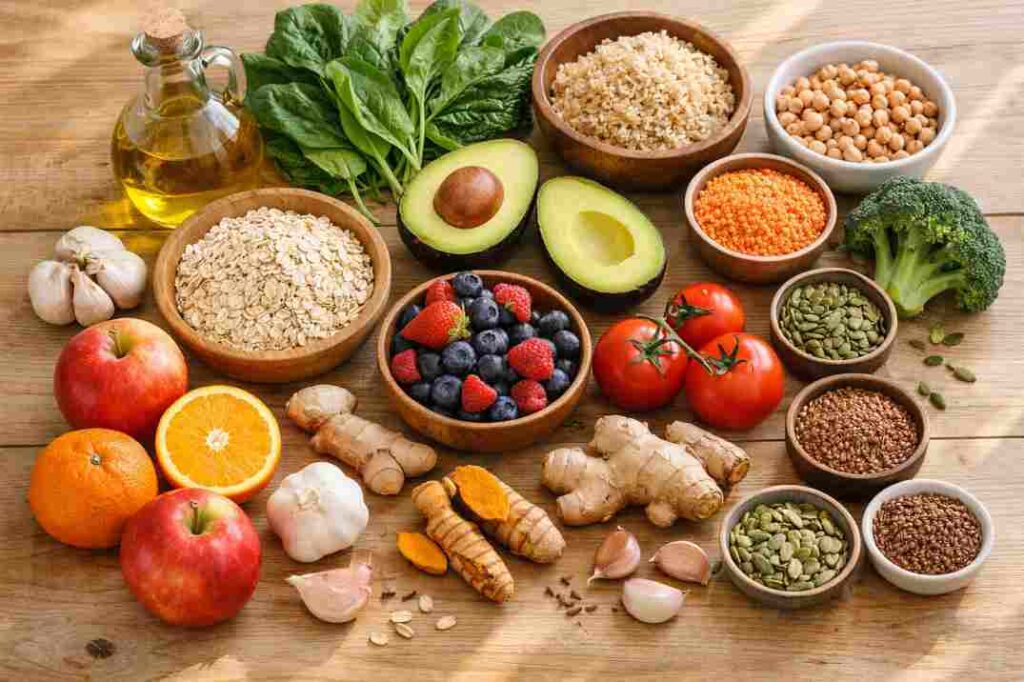
I used to feel weirdly stressed every time I searched for anti inflammation foods. Everything looked so perfect. Smoothie bowls I’d never make. Ingredients I didn’t recognize. Rules that felt impossible to keep up with.
I didn’t change everything overnight.
I didn’t throw out my pantry.
I didn’t suddenly start cooking three brand-new meals a day.
What I did do was start paying attention to what I was already eating and gently nudging it in a better direction. One swap here. One added food there. Nothing dramatic.
Focusing on everyday foods helped me relax about it. I stopped chasing “perfect” and started building habits I could actually stick to. Some days look better than others, and that’s fine.
If you’ve ever felt overwhelmed by lists that expect you to eat flawlessly, this one is different. These are foods I genuinely eat on normal days, not just when motivation is high.
What “anti-inflammation foods” really means (without the hype)
When I first heard the phrase “anti-inflammatory foods list,” I assumed it meant cutting out everything fun and living off raw vegetables and green drinks. That idea didn’t last long in my real life.
For me, eating foods that reduce inflammation naturally isn’t about restriction. It’s about addition. I didn’t stop eating everything else. I just started adding more real, simple foods that felt supportive.
I think of anti inflammatory foods as foods that:
- feel close to their natural form
- show up in traditional, everyday cooking
- don’t require complicated prep
- make meals feel satisfying, not stressful
Consistency matters more than perfection here. Eating one “perfect” meal doesn’t cancel out weeks of habits, and eating something less ideal doesn’t ruin anything either.
Some days my meals look balanced and colorful. Other days they’re repetitive and basic. Both count.
This way of eating became sustainable for me once I stopped treating it like a rulebook. It’s more of a direction than a destination. I ask myself, Can I add something nourishing to this meal? If the answer is yes, that’s enough.
That mindset shift made all the difference.
Anti-Inflammation Foods I Actually Eat Regularly
These aren’t trendy superfoods I buy once and forget. These are everyday anti inflammatory foods that show up in my kitchen again and again.
1. Olive Oil
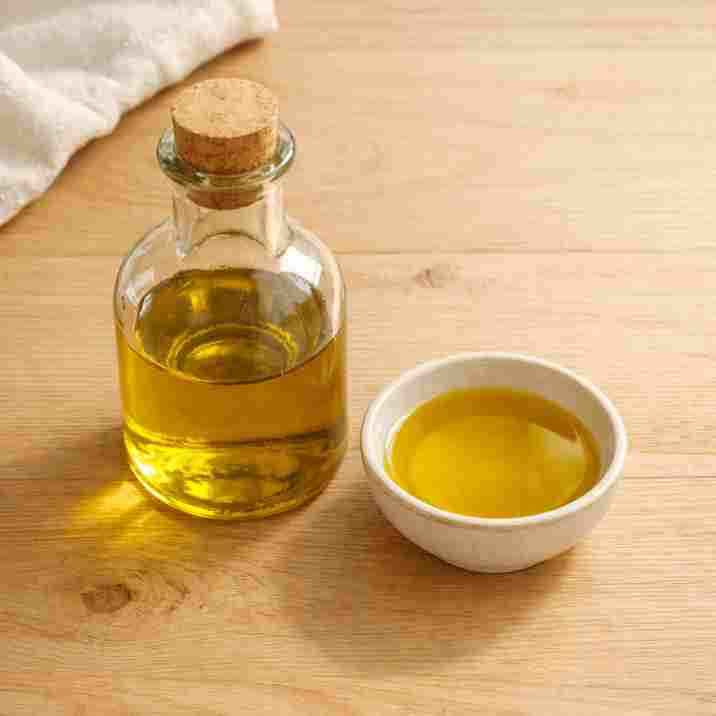
This was one of the first swaps I made. I didn’t change recipes — I just changed the oil. I drizzle it on vegetables, use it for simple sautéing, and add it to salads. It feels easy and familiar, not “diet-y.”
Simple ways I use it:
- Cooking eggs or veggies
- Drizzling over roasted vegetables
- Mixing into salad dressings
2. Avocados
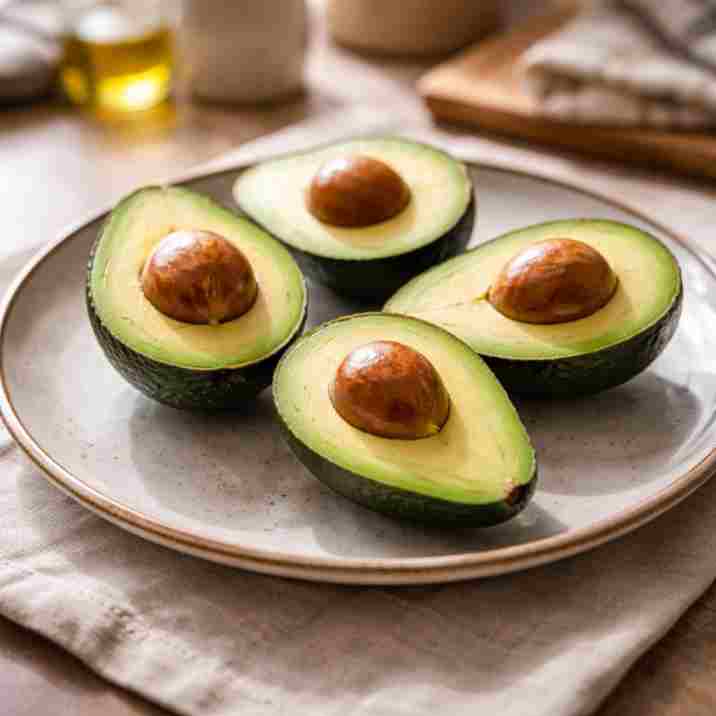
I don’t eat avocados every day, but I eat them often enough that they feel like a staple. They make meals feel filling without much effort. When I don’t know what to add to a plate, avocado usually works.
Easy ways to eat them:
- Sliced on toast
- Added to salads or grain bowls
- Mashed with salt and lemon
3. Nuts (especially walnuts & almonds)
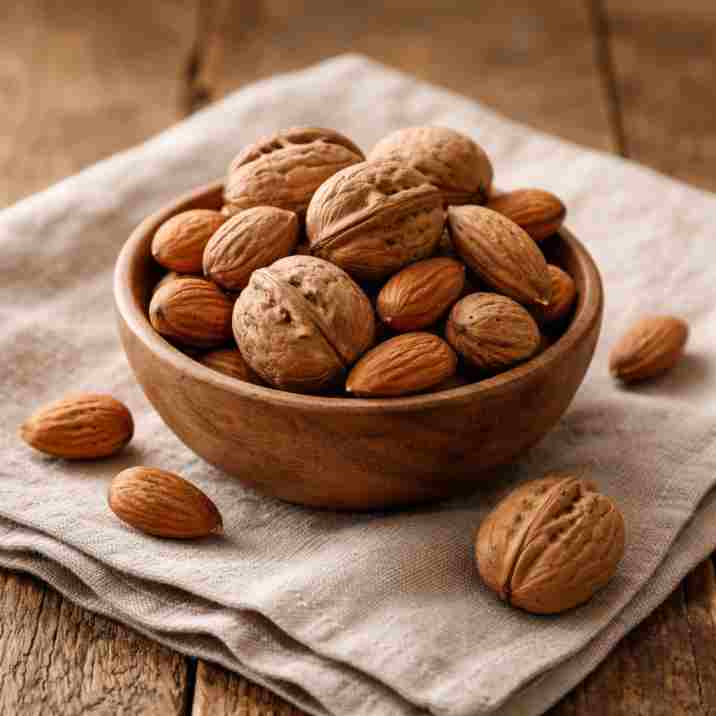
Nuts are my “grab and go” food. I keep them in my bag, my car, and my pantry. They’re one of the simplest foods that fight inflammation without requiring cooking.
How I keep them simple:
- Small handful as a snack
- Added to oatmeal or yogurt
- Tossed into salads
4. Seeds (chia & flax)
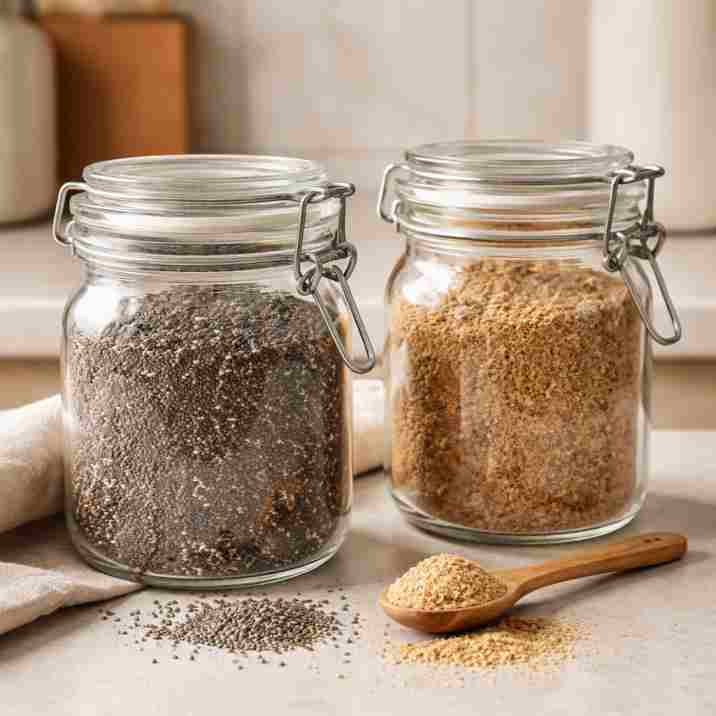
I didn’t grow up eating seeds, so these took some getting used to. Now they’re just part of my routine. I don’t overthink them — I sprinkle and move on.
Easy uses:
- Stirred into oats
- Added to smoothies
- Mixed into yogurt
5. Fatty Fish (salmon, sardines)
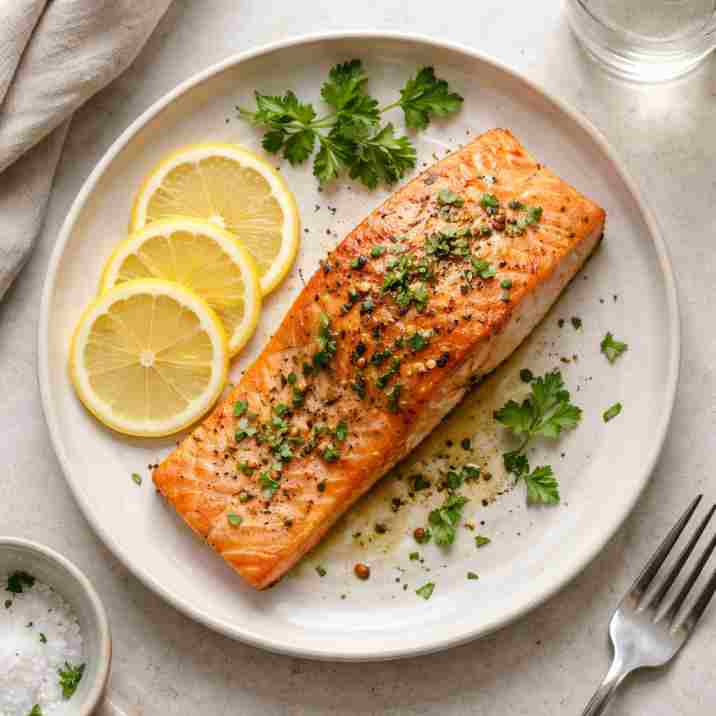
I don’t eat fish daily, but I aim for a couple times a week. I keep it simple — nothing fancy. When it’s easy, I actually do it.
How I usually eat it:
- Pan-cooked salmon with salt
- Canned sardines on toast
- Baked fish with olive oil
6. Leafy Greens
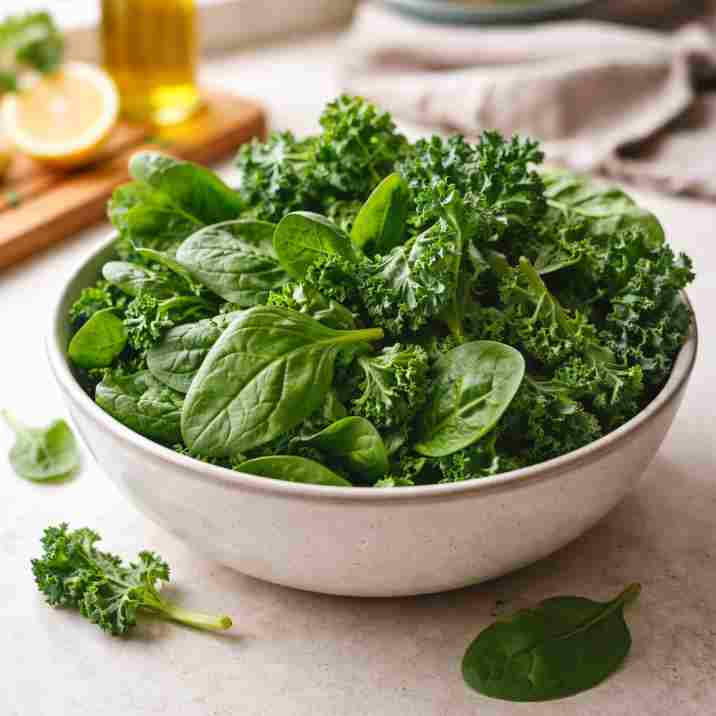
Spinach, kale, or whatever looks decent at the store. I stopped trying to be specific. Greens go into eggs, soups, and quick sautés.
Simple ideas:
- Added to scrambled eggs
- Tossed into soups
- Sautéed with garlic
7. Broccoli
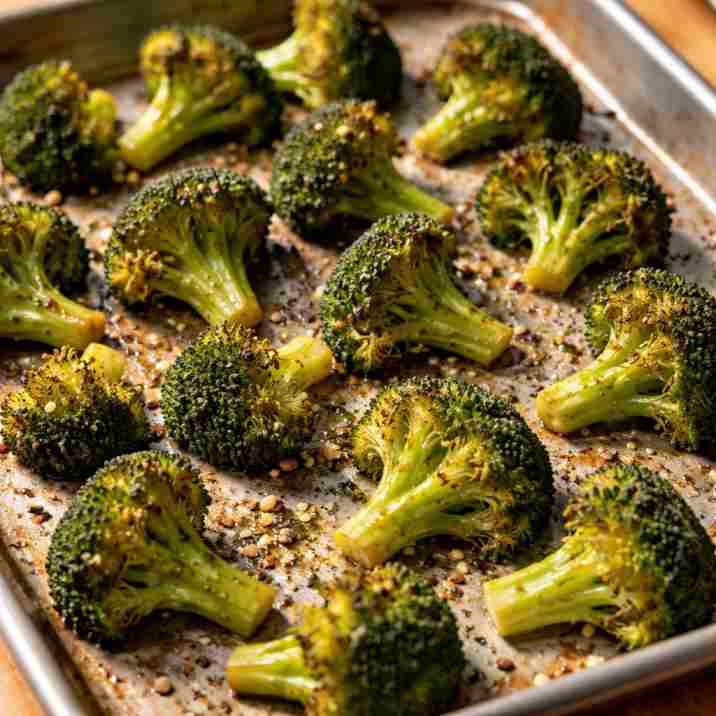
Broccoli is boring in the best way. It’s reliable. I roast it, steam it, or toss it into stir-fries without thinking too hard.
How I keep it easy:
- Roasted with olive oil
- Steamed with salt
- Mixed into pasta or rice
📘 Want a Step-by-Step 30-Day Anti-Inflammatory Meal Plan?
If you’re enjoying these easy anti-inflammatory foods, you’ll love my 30-Day Anti-Inflammatory Meal Plan ebook.
Inside, you’ll get:
✅ 84 delicious, easy-to-make recipes (breakfast, lunch, dinner, and snacks)
✅ A full 30-day calendar plan so you never wonder what to cook
✅ A complete grocery list organized by category to save time and stress
✅ Family-friendly recipes that even picky eaters will enjoy
✅ Practical tips for meal prep and staying on track
This ebook is designed to take away the overwhelm and make healthy eating feel simple, doable, and enjoyable. Instead of stressing about what to eat, you’ll have an entire month of anti-inflammatory meals planned out for you.
👉 Click here to grab your copy of the 30-Day Anti-Inflammatory Meal Plan
8. Tomatoes
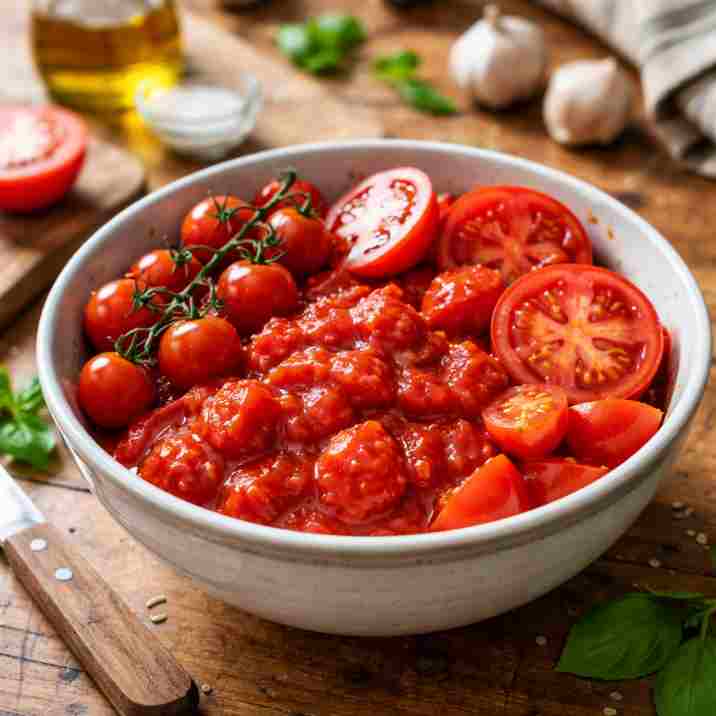
Fresh, canned, or cooked — tomatoes show up everywhere for me. They make meals taste better, which makes healthy eating feel less forced.
Ways I use them:
- Fresh in salads
- Canned in sauces
- Roasted with vegetables
9. Bell Peppers
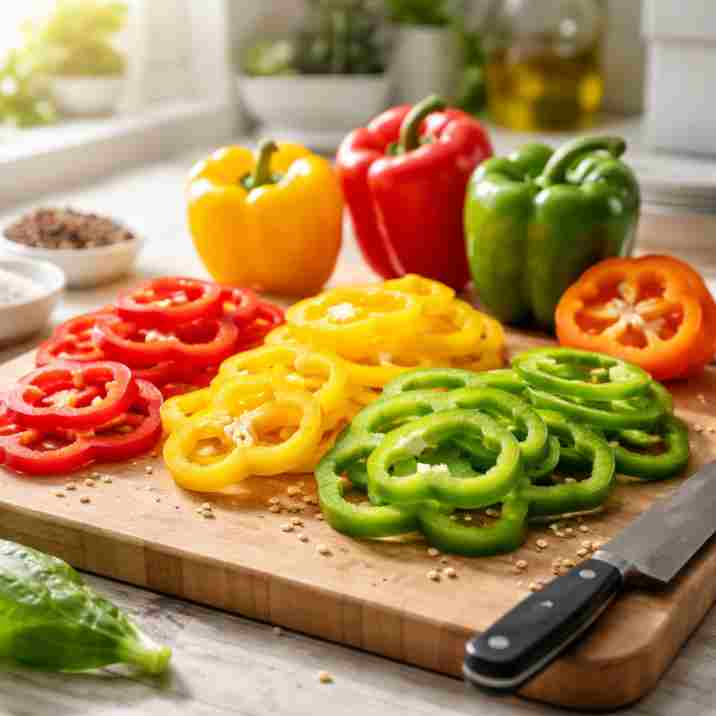
These add color without much effort. I chop a few at the beginning of the week and use them as needed.
Simple uses:
- Stir-fries
- Omelets
- Sheet-pan meals
10. Onions
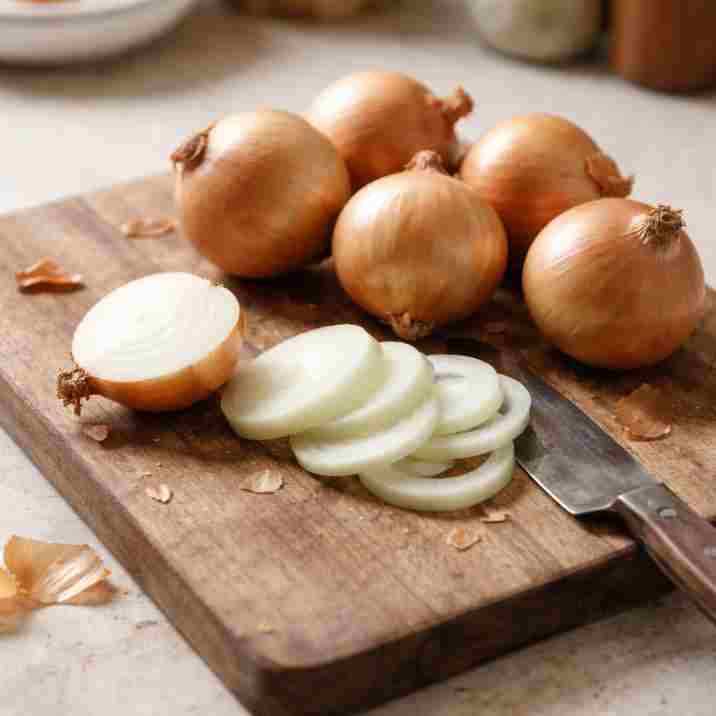
Onions are in almost everything I cook. I don’t think of them as “health food,” which is probably why I eat them so often.
How they show up:
- Sautéed as a base
- Added to soups
- Mixed into grain dishes
11. Garlic
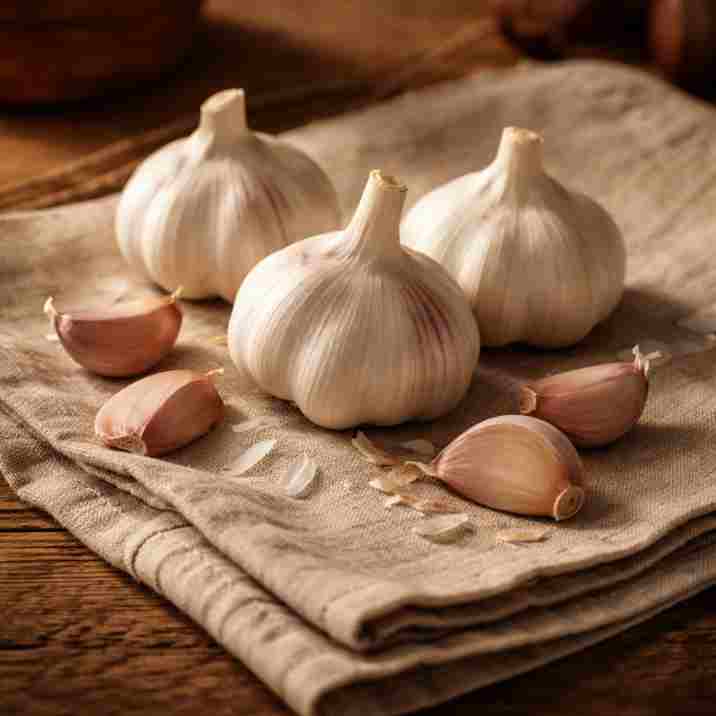
Garlic makes simple food taste like real food. I use it generously and don’t overcomplicate it.
Easy ways:
- Chopped into vegetables
- Mixed into sauces
- Roasted whole
12. Berries
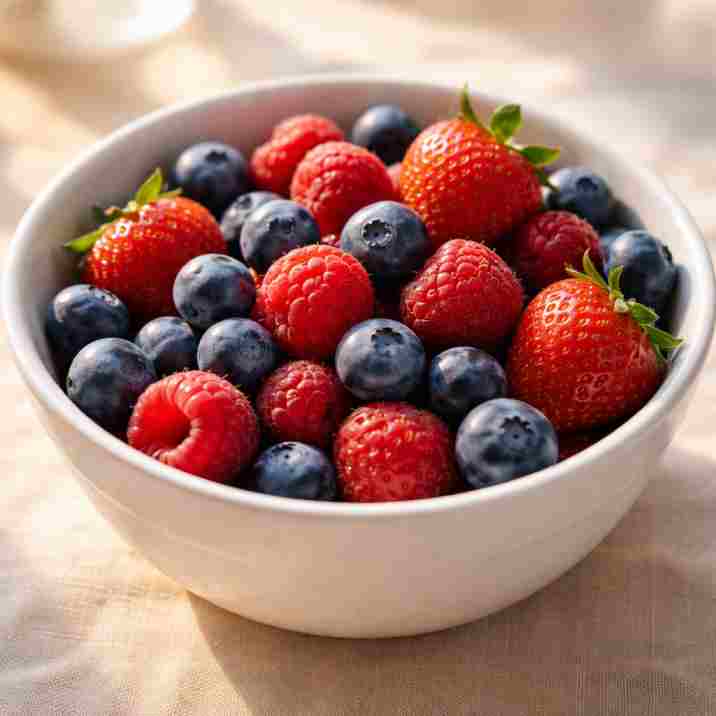
Berries feel like a treat without being heavy. I buy them frozen most of the time because they’re easier and cheaper.
How I eat them:
- With yogurt
- In smoothies
- On oatmeal
13. Oranges
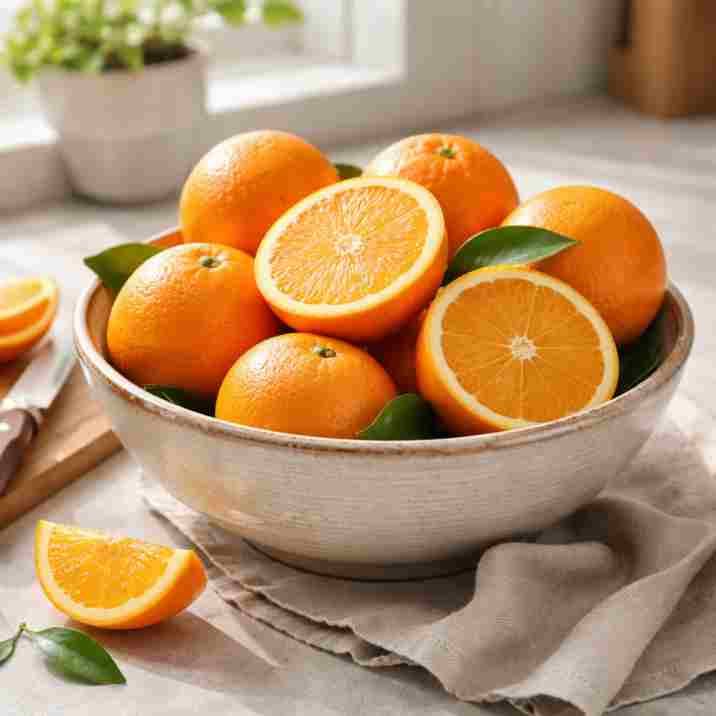
I keep oranges around for days when I want something sweet but simple. No prep, no decisions.
Easy ideas:
- As a snack
- Added to salads
- Fresh juice occasionally
14. Apples
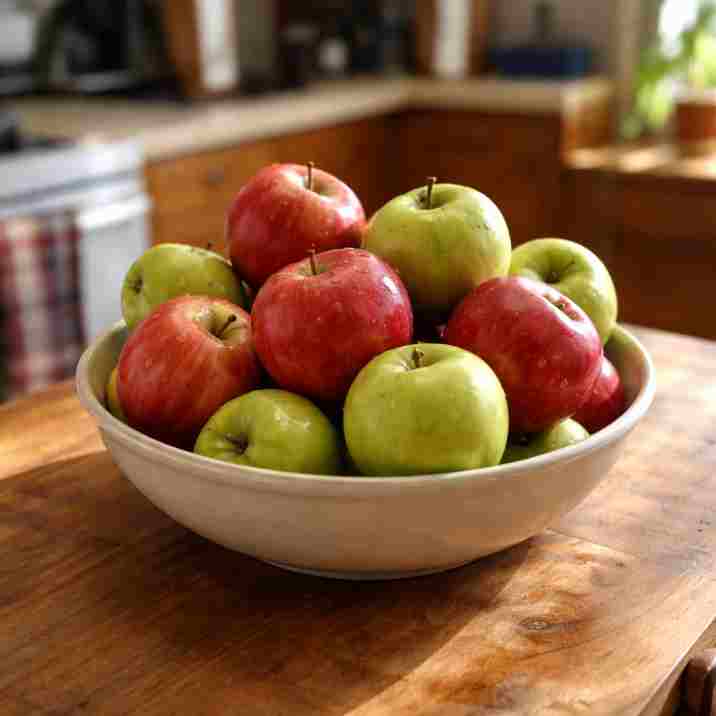
Apples are my most consistent fruit. They last forever and go with everything.
How I use them:
- Sliced with nut butter
- Chopped into oats
- Baked with cinnamon
15. Pomegranate
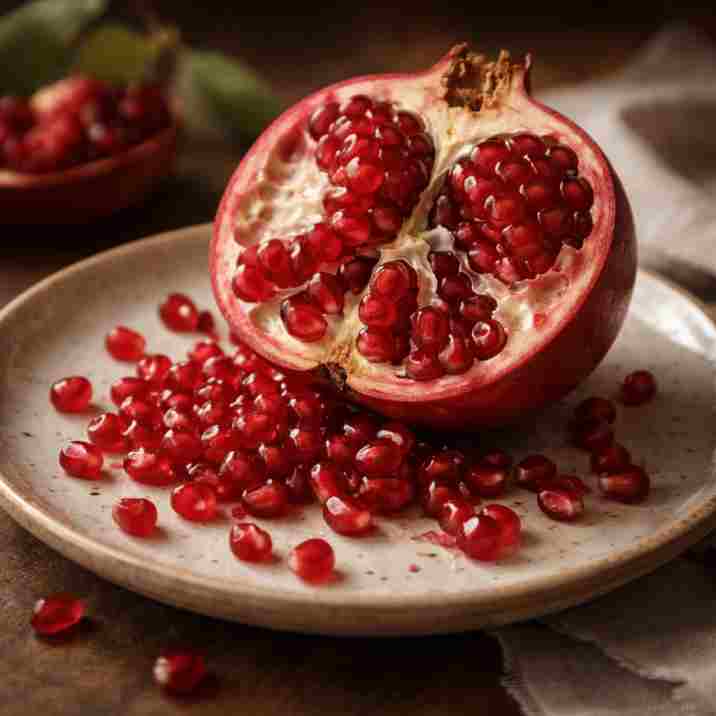
This one feels fancy but I don’t eat it daily. When I do, it feels special and refreshing.
Simple uses:
- Sprinkled on salads
- Mixed into yogurt
- Eaten plain
16. Oats
Oats are one of the easiest foods that reduce inflammation naturally for me because they’re comforting. I eat them year-round.
How I keep them interesting:
- With fruit and seeds
- Savory oats with eggs
- Overnight oats
17. Lentils
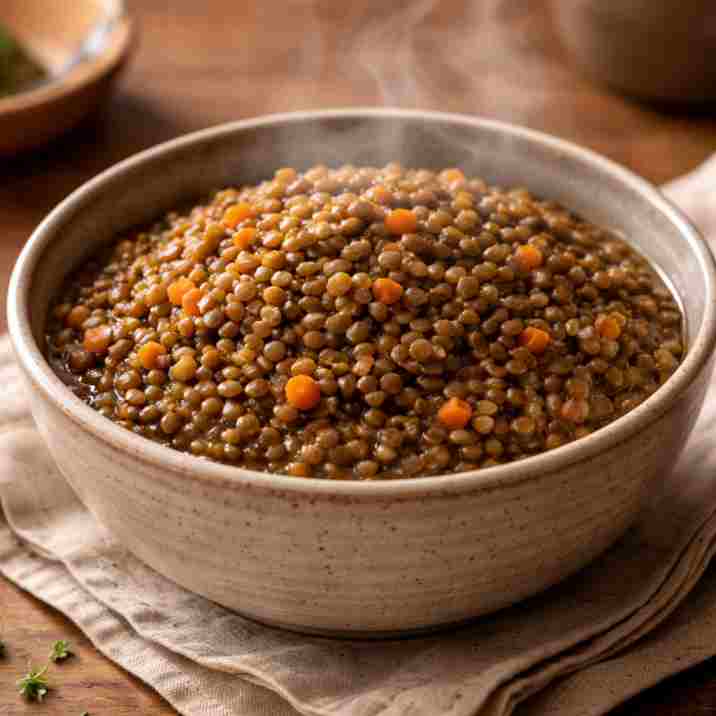
Lentils feel grounding. They’re cheap, filling, and easy to batch cook.
Ways I use them:
- Simple lentil soups
- Added to salads
- Mixed into rice
18. Chickpeas
Chickpeas are my go-to for quick meals. Canned ones make life easier.
Easy ideas:
- Roasted with spices
- Tossed into salads
- Mashed into spreads
19. Brown Rice
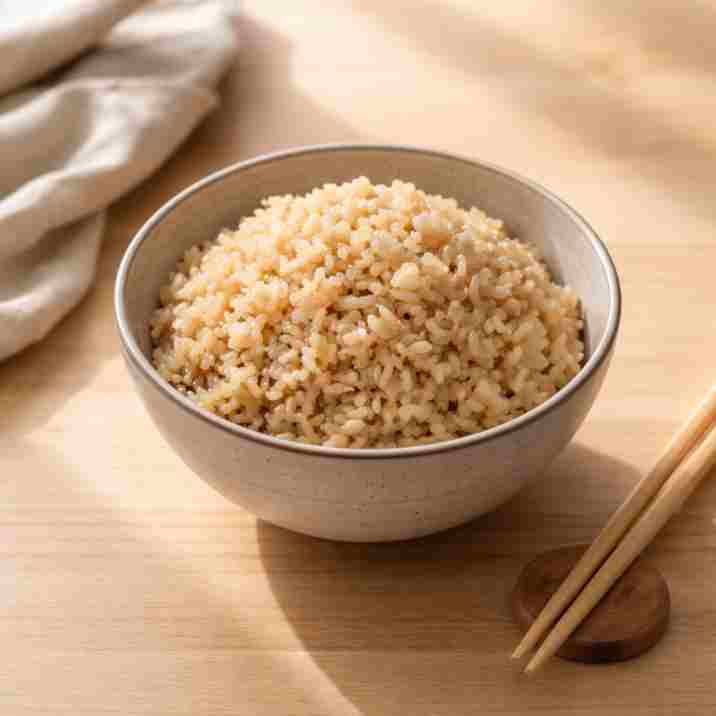
I don’t avoid carbs — I just choose ones that keep me full. Brown rice works for me most days.
How I eat it:
- With vegetables
- As a bowl base
- Alongside lentils
20. Turmeric
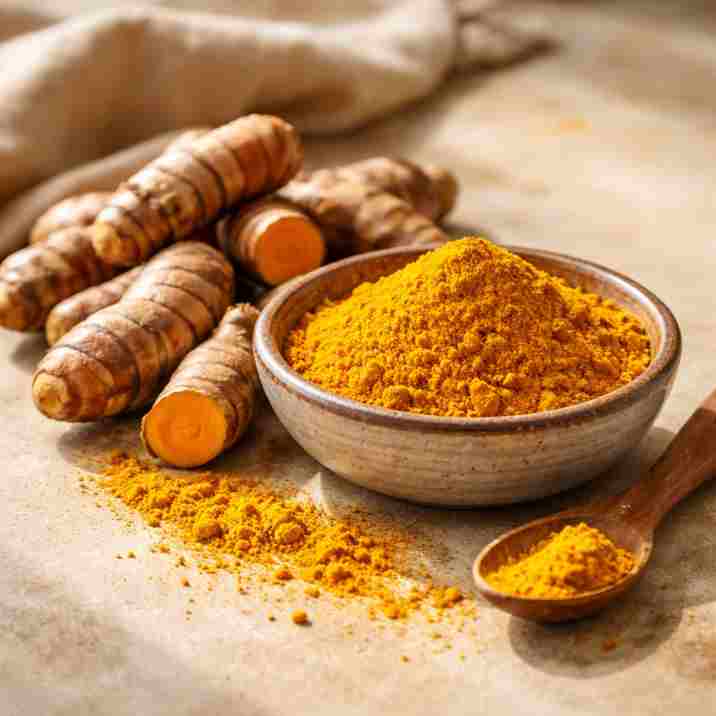
I don’t treat turmeric like a supplement. It’s just a spice I use regularly.
How I use it:
- In curries
- Added to rice
- Mixed into soups
21. Ginger
Ginger adds warmth and flavor. A little goes a long way.
Simple uses:
- Fresh in stir-fries
- Grated into tea
- Added to sauces
How I added these foods without overhauling my diet
I didn’t clean out my kitchen or write a brand-new grocery list. I started with swaps. Olive oil instead of what I was using. Adding greens to meals I already liked. Choosing oats more often than sugary breakfasts.
I also repeated meals a lot. Way more than I thought I was “allowed” to. Same breakfast most days. Similar lunches. It saved mental energy.
Grocery shopping became simpler once I stopped chasing variety. I buy the same vegetables weekly and rotate one or two extras when I feel like it.
Most changes stuck because they didn’t feel like changes at all.
Common mistakes I made with “anti-inflammation” eating
I tried to be perfect at first. That lasted about a week.
I bought ingredients I never used. I overplanned meals. I cut foods I didn’t need to cut. I thought more rules meant better results.
Once I relaxed, everything improved. Food stopped feeling like a test I was failing.
I learned that simple, repeated meals beat complicated ones I never cooked.
6️⃣ Simple tips to make this way of eating stick
- Batch cook basics, not full meals
- Repeat foods you enjoy
- Keep frozen options handy
- Don’t force variety
- Stay flexible
Some weeks look better than others. That’s normal.
Wrap Up…
I don’t eat all 21 of these foods every day. Most days, it’s just a few. And that’s enough.
I didn’t change everything at once, and I still don’t eat perfectly. I just try to eat better most days.
If you start with one or two foods and build from there, you’re already doing it right.